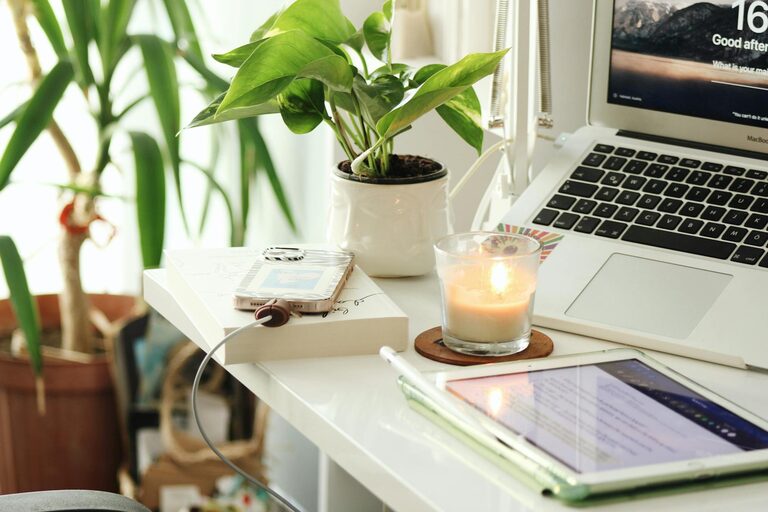
Creating a home office that balances relaxation and productivity is essential for working well, especially when your job or projects require long hours. A well-designed space helps reduce stress, keeps distractions at bay, and encourages you to stay on task. Whether you have a dedicated room or just a small corner, these tips will help you develop a comfortable and efficient home office environment.
Choose the Right Location
The first step to a productive home office is selecting the best spot in your home. Ideally, you want a quiet area with minimal foot traffic and good natural light. Avoid spaces that tend to be busy or noisy, such as the kitchen or living room.
If you don’t have a separate room, create a clearly defined spot using rugs, screens, or bookshelves. This visual boundary helps your brain recognise when it’s time to work and when it’s time to relax.
Prioritise Natural Light
Natural light is great for maintaining energy and focus throughout the day. Position your desk near a window if possible, facing the source of daylight. This also helps prevent eye strain.
If your space lacks natural light, use soft white bulbs with adjustable brightness. Warm-toned lighting can create a calm atmosphere, especially during early mornings or late nights.
Ergonomics Matter
Comfortable furniture tailored to your body reduces fatigue and helps you stay productive. Invest in an ergonomic office chair that supports your back and encourages good posture. Your desk height should allow your elbows to rest at a 90-degree angle when typing.
Use a monitor stand or adjustable laptop riser to keep your screen at eye level. This prevents neck and shoulder tension. Also, consider an external keyboard and mouse for better hand positioning.
Declutter and Organise
A tidy workspace supports a clear mind. Keep your desk free from unnecessary items and store papers or supplies in drawers or organisers. Use cable management solutions to avoid messy cords.
Shelving units, filing cabinets or desk organisers are helpful to keep everything within reach but out of sight. Designate specific spots for stationery, documents and tech gadgets to save time and reduce frustration.
Add Greenery
Plants aren’t just decorative—they improve air quality and create a soothing environment. Choose easy-to-care-for plants like snake plants, pothos or succulents, which can thrive indoors with minimal attention.
Place a few plants on your desk or nearby shelves to bring life into the room. The presence of greenery has been shown to reduce stress and improve concentration.
Keep Personal Touches Minimal
A few personal touches make your home office inviting, but avoid cluttering your space with too many items. Display calming artwork or motivational quotes, and perhaps one or two meaningful photos.
Choose accessories and decorations in colours that help you feel relaxed but alert. Soft blues, greens or neutrals generally promote calmness, while bright colours can energise you if used sparingly.
Use Soothing Scents and Sounds
If it suits you, consider enhancing the atmosphere with calming scents like lavender or eucalyptus through candles or diffusers. These aromas can help reduce anxiety and improve focus.
Background sounds, such as white noise or gentle instrumental music, can also drown out distractions. Use headphones or a small speaker to play these softly while working.
Maintain Good Air Quality and Temperature
A comfortable room temperature and fresh air contribute significantly to your comfort. Open windows regularly to refresh the air when weather permits.
If your home office tends to get too warm or cold, use fans, heaters or air purifiers to keep the environment pleasant. Avoid harsh air conditioning or heating units that dry the air excessively.
Establish Clear Boundaries and Routine
To stay productive, set clear work hours and communicate these boundaries to family or housemates. Having a set routine helps you keep a healthy work-life balance.
Try to start and finish your workday at consistent times, and incorporate short breaks to stretch or rest your eyes. This rhythm maintains energy levels and reduces burnout.
Utilise Technology Wisely
Use technology to support your work but avoid distractions. Keep useful apps and tools organised on your computer and mobile devices. Set notifications carefully, or switch to “Do Not Disturb” mode when deep focus is needed.
Invest in reliable internet and backup power solutions if possible, to avoid interruptions.
Conclusion
Designing a home office that fosters relaxation and productivity involves thoughtful choices about location, lighting, ergonomics, organisation, and ambience. By creating a space where you can focus comfortably while feeling calm, you set yourself up for success in your work-from-home endeavours. Remember, the key is balance—comfort fuels productivity, and a productive environment reduces stress. With these tips, you’ll be well on your way to an effective and enjoyable home office setup.