
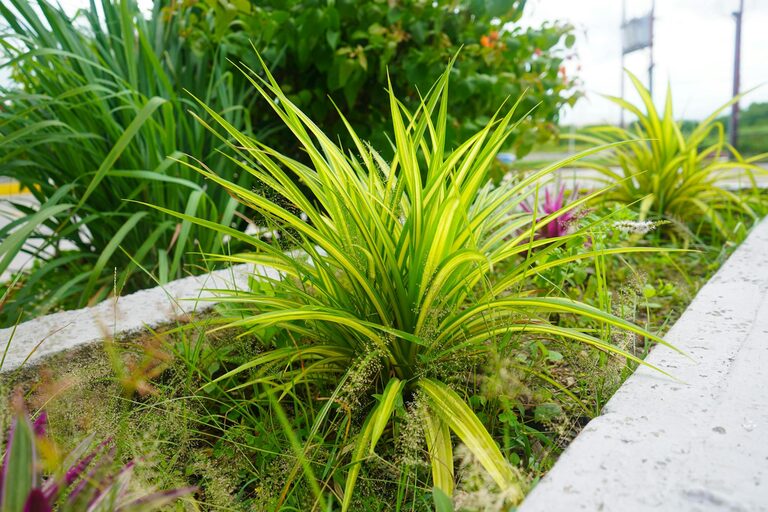
Creating an eco-friendly garden at home is a rewarding way to connect with nature while promoting sustainability. Whether you have a small balcony or a spacious backyard, adopting green gardening practices helps conserve resources, supports local wildlife, and reduces your environmental impact. This guide offers practical tips to help you design and maintain an eco-friendly garden that thrives throughout the seasons.
Why Choose an Eco-Friendly Garden?
Eco-friendly gardens prioritise natural processes and minimise the use of chemicals and waste. They benefit not only the environment but also your own wellbeing by creating a space for relaxation, healthy plants, and a thriving ecosystem. In addition, these gardens often require less water and fewer inputs, making them cost-effective in the long run.
Planning Your Eco-Friendly Garden
Assess Your Space
Start by evaluating the space you have available. Note the amount of sunlight, shade, and soil type, as this will influence your choice of plants. Consider the microclimates around your garden—areas that might be warmer, cooler, damper or drier than others.
Choose Native Plants
Native plants are well-adapted to local conditions and require less watering and care than exotic species. They provide food and shelter for native wildlife, such as bees, butterflies, and birds.
Plant Diversity
Incorporate a variety of plants to encourage biodiversity. Different species attract different beneficial insects, improving pest control naturally and creating a more resilient garden ecosystem.
Water Conservation Techniques
Water is a precious resource, so it’s important to use it wisely in your garden.
Collect Rainwater
Install a rain barrel to collect water from your roof gutters. This water can be used to irrigate your plants during dry spells, reducing reliance on mains water.
Use Mulch
Cover the soil around your plants with mulch made from bark, leaves, or grass clippings. Mulch helps retain moisture, suppress weeds, and improve soil health.
Water Efficiently
Water your plants during the cooler parts of the day, such as early morning or late evening, to minimise evaporation. Use drip irrigation or soaker hoses to deliver water directly to plant roots.
Soil Health and Composting
Healthy soil is the foundation of an eco-friendly garden.
Compost Kitchen and Garden Waste
Create a compost bin or heap to recycle organic waste like vegetable peelings, grass cuttings, and fallen leaves. Compost enriches the soil naturally, reduces waste sent to landfill, and helps retain moisture.
Avoid Chemicals
Avoid synthetic fertilisers and pesticides which can harm beneficial insects and contaminate soil and water. Instead, choose organic options like manure, seaweed fertilisers, or natural pest deterrents such as neem oil.
Encourage Wildlife and Pollinators
Supporting garden wildlife benefits the whole environment.
Provide Habitats
Include features such as bird feeders, bat boxes, or insect hotels to offer shelter. Leaving some areas wild with native grasses or wildflowers can also create vital habitats.
Plant Pollinator-Friendly Flowers
Select plants with brightly coloured, nectar-rich flowers to attract bees, butterflies, and other pollinators. Examples include lavender, echinacea, and buddleia.
Sustainable Garden Materials
When adding paths, fences, or furniture, think about sustainable options.
Use Recycled or Natural Materials
Opt for reclaimed wood, stone, or recycled plastic products. Avoid treated timber that might leach chemicals into the soil.
Limit Lawn Areas
Lawns often require a lot of water, mowing, and chemicals. Reduce lawn size and consider replacing parts with groundcover plants, wildflower meadows, or vegetable patches.
Grow Your Own Food
Gardening with edible plants is both eco-friendly and rewarding.
Plant a Vegetable Patch
Grow seasonal vegetables adapted to your region. This reduces the carbon footprint associated with transporting food and ensures freshness.
Herb Garden
Even small spaces can accommodate herbs such as basil, rosemary, and parsley, which are easy to grow and add flavour to meals.
Support Pollination for Fruit
If you have fruit trees or bushes, ensure pollinators have access to them by planting nearby flowers.
Maintenance Tips for an Eco-Friendly Garden
– Prune thoughtfully: Remove only dead or diseased parts to keep plants healthy without stressing them.
– Avoid plastic pots: Use biodegradable or clay pots to reduce plastic waste.
– Rotate crops: Change planting positions annually in vegetable patches to prevent soil depletion and pests.
– Keep tools clean: Wash gardening tools regularly to prevent disease spread.
Final Thoughts
Creating an eco-friendly garden at home takes some planning and commitment, but it brings lasting rewards. By choosing native plants, conserving water, improving soil health, and encouraging wildlife, you can build a garden that’s beautiful, sustainable, and a haven for nature. Enjoy the process, and watch your green space flourish while making a positive difference for the planet.